Using your RV in a power outage
Hurricane Beryl left 2.26 million CenterPoint customers without power in July 2024 — the largest outage in the company's history. An RV with a working generator, fuel and propane can keep a family cool and fed. Done wrong, it is dangerous.
Techs drive to you: an RV park, a storage lot or your own driveway.
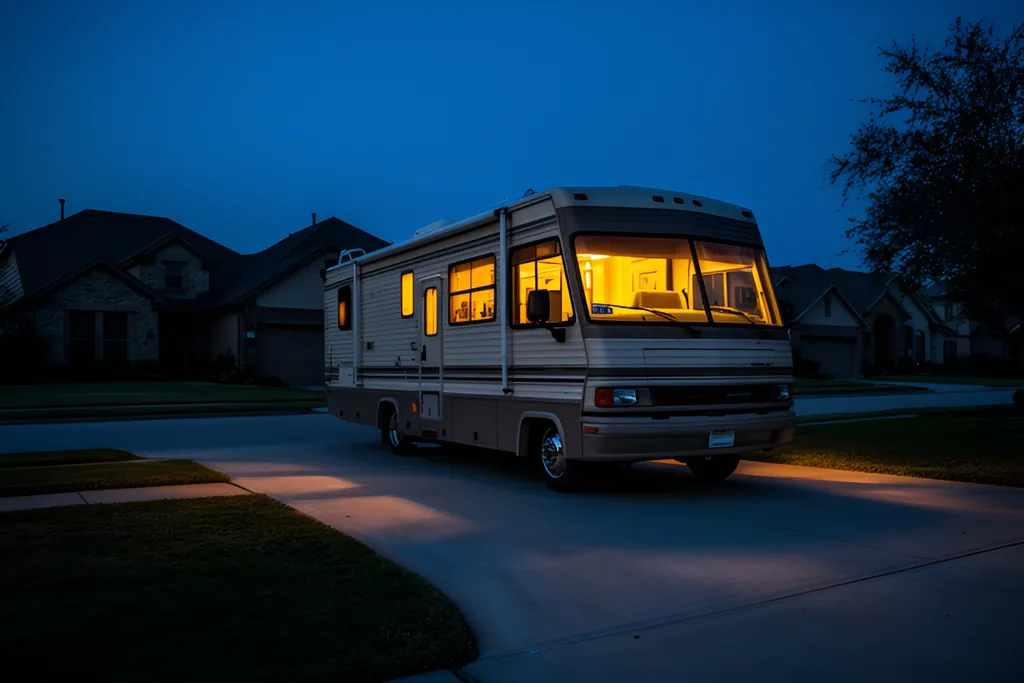
Get ready before storm season
- Exercise the generatorCummins Onan wants a monthly run of two hours or more at roughly half load. Fix whatever shows up now, not in July.
- Fuel and propaneKeep the fuel tank above a quarter — many generators stop drawing below that — and the cylinders full.
- BatteriesCharged and healthy, so the generator starts and lights run without it.
- CO and LP alarmsTest both; replace any past its date.
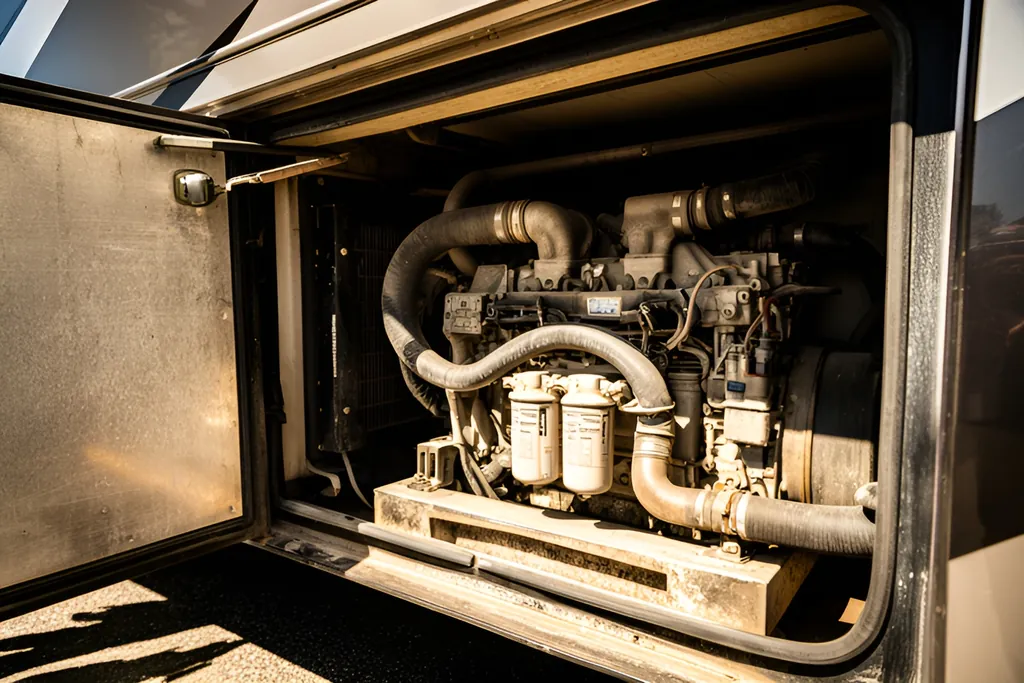
During the outage
- Exhaust away from peoplePark so the generator exhaust points away from your house, windows and doors.
- Power what mattersOne AC, the fridge, lights and charging. Skip the water heater element and microwave while the AC runs.
- Watch the weatherAn RV is not storm shelter. Stay in a sturdy building while the storm passes.
- Don't backfeed the houseNever connect the RV to your home's wiring without a proper transfer switch installed by an electrician.
Generator exhaust carries carbon monoxide, which you can't see or smell. Never run a generator in a garage, and keep the RV's CO alarm working.
Afterwards
When power comes back, the grid can be unsteady for a while. Plug in through a surge protector that also cuts off low voltage, and check the reading on our electrical page.
If the generator ran for days, change the oil and filters. If anything acted up, send a request.
Ask for a mobile RV tech
Leave a phone number. A tech who can take the job will call you.