RV inspection before you buy
After big Houston storms, RVs that sat in water can turn up for sale. An independent inspection before you pay is the cheapest protection.
Techs drive to you: an RV park, a storage lot or your own driveway.
What the inspection covers
- Roof and sealantMembrane, every opening, and soft decking.
- Hidden moistureMeter readings across walls, floors and the ceiling.
- AppliancesEvery appliance switched on and tested: cooling, refrigeration, hot water, heat and the generator.
- Electrical and propaneShore power, batteries, converter; a propane leak test and the regulator and detector dates.
- Chassis and slidesFrame rust, tires, brakes, slide operation and seals.
Signs of flood history
Ask point-blank whether the RV was ever flooded, and pull a vehicle history report before going further.
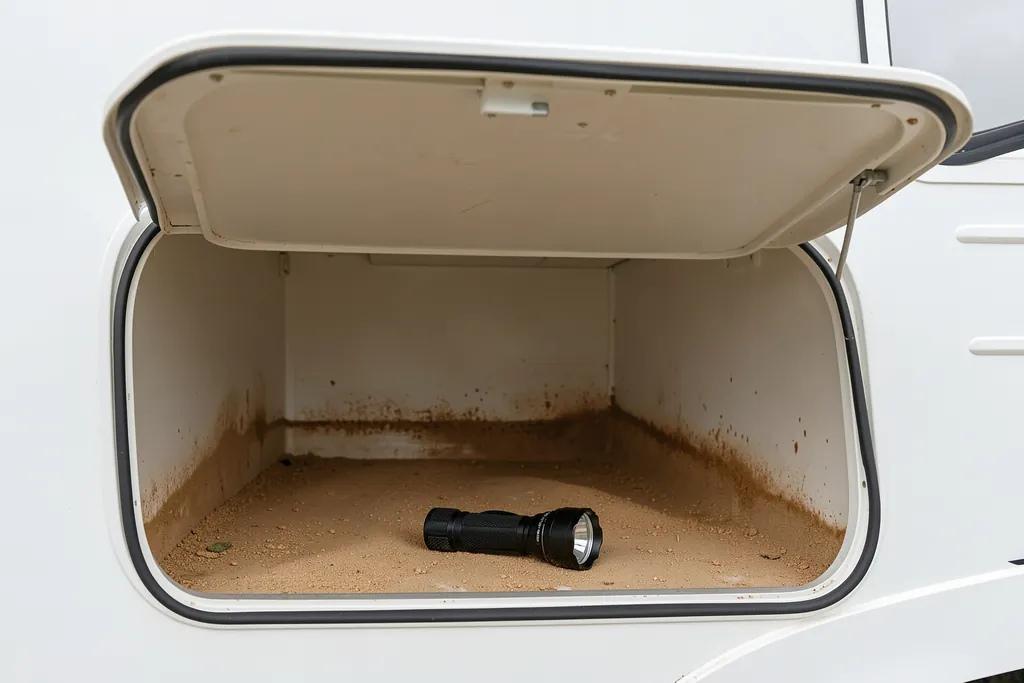
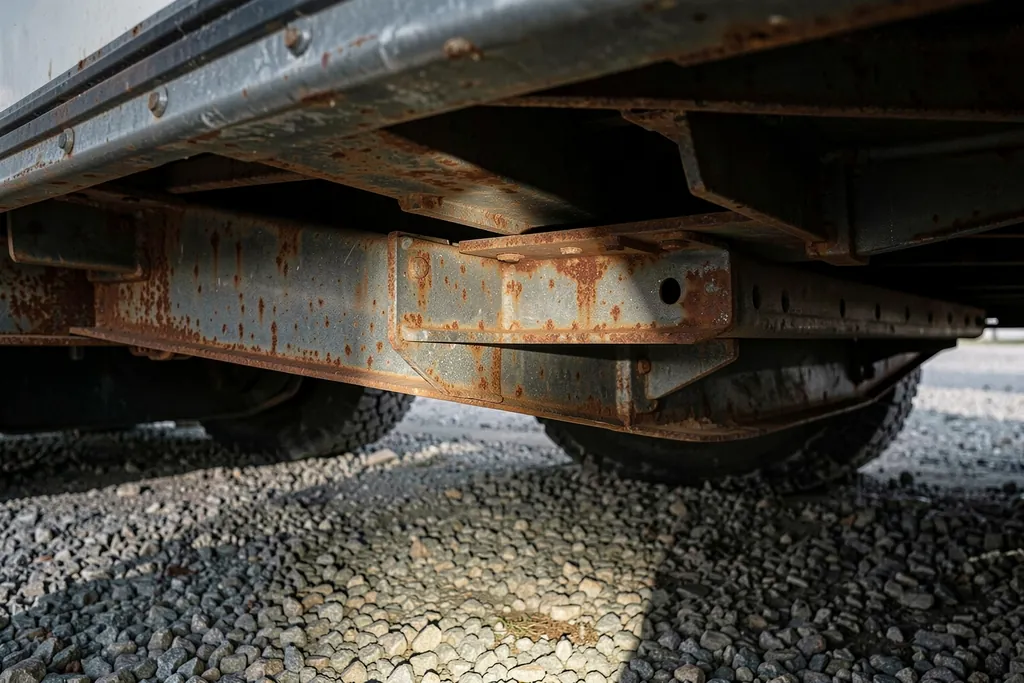
Then look for silt or a waterline in storage bays, rusty seat bolts and chassis, and a damp smell that lingers after airing out. A flooded RV usually needs a new floor, wiring and appliances.
What it costs
| Job | Usual range |
|---|---|
| Independent RV inspection | $150–1,200+ |
Source: Camping World, “RV Inspection Cost Guide”, November 2026.
Budget guide only, 2026 — your tech quotes the real price after looking at the RV.
The range depends on RV size and how deep the inspection goes; fluid testing on motorhomes costs extra.
Prices checked November 2026.
Inspection questions
How long does it take?
A few hours for a small trailer, most of a day for a large motorhome.
Should I attend?
If you can. Seeing problems firsthand helps you negotiate.
Can the inspector also repair it?
Some do repairs too. Plenty of buyers hire one who doesn't, so the report isn't a sales pitch.
Ask for a mobile RV tech
Leave a phone number. A tech who can take the job will call you.